


Jan Ysrael V. Cabalonga
Elaija Luz R. Carillo
Jo Francis Rene R. Esmeralda
Catherine M. Legaspi
Department of Internal Medicine
New Era University
ABSTRACT
Type 2 diabetes mellitus (T2DM) is a chronic metabolic disease that disproportionately affects individuals from low-income backgrounds due to barriers in healthcare access, medication adherence, and lifestyle modification. This case study presents a 68-year-old Filipino male with a history of T2DM and hypertension who experienced difficulty maintaining glycemic control because of financial hardship, unemployment, and minimal social support. The patient presented with back and chest pain, dyspnea, weight loss, and generalized weakness. Laboratory and radiographic assessments revealed uncontrolled T2DM, hypertension, and suspected bilateral pulmonary tuberculosis. Despite adherence to the Philippine Clinical Practice Guidelines for Diabetes—which recommend glycemic monitoring, metformin therapy, and lifestyle modification—the patient’s economic constraints hindered regular consultations and medication compliance. His condition deteriorated, reflecting how socioeconomic deprivation can exacerbate chronic illness and limit recovery. This case highlights the profound impact of low economic status on chronic disease management and underscores the need for equitable healthcare policies, patient education, and multidisciplinary support systems to improve outcomes for individuals with diabetes in low-resource settings.
Keywords: Type 2 diabetes mellitus, socioeconomic status, chronic disease management, healthcare inequality, Philippines, case study
INTRODUCTION
Type 2 diabetes mellitus (T2DM) is one of the leading causes of morbidity and mortality worldwide and remains a major contributor to the global burden of chronic disease. According to the International Diabetes Federation (IDF, 2021), approximately 537 million adults aged 20 to 79 years were living with diabetes in 2021, representing 10.5% of the global adult population. This figure is projected to rise to 783 million by 2045, with the majority of cases occurring in low – and middle-income countries (LMICs). The World Health Organization (WHO, 2023) also ranks diabetes as the ninth leading cause of death globally, emphasizing its growing impact on health systems, particularly in resource-limited settings.
In the Philippines, diabetes is a major public health concern. The Philippine Statistics Authority (2021) reported that diabetes ranked fifth among the leading causes of death in the country, reflecting a persistent upward trend in both prevalence and mortality. The increase in diabetic cases is particularly evident among older adults, as age-related comorbidities such as hypertension and cardiovascular disease further complicate management (Giron & de la Vega, 2022). The burden of diabetes in the Philippines is exacerbated by socioeconomic inequality, limited access to healthcare, and inadequate patient education—all of which contribute to delayed diagnosis, poor treatment adherence, and preventable complications.
Socioeconomic status plays a crucial role in determining health outcomes for individuals with chronic illnesses such as type 2 diabetes mellitus (T2DM). Those with lower income levels often struggle to afford regular consultations, laboratory testing, and essential medications, leading to suboptimal glycemic control and a greater risk of comorbid conditions (Jimeno et al., 2021). Moreover, limited access to nutritious food and a lack of social support systems further impair disease management. The Philippine Institute for Development Studies (PIDS, 2018) categorizes individuals with an annual income below PHP150,000 as belonging to the lower economic class—an income level insufficient to sustain consistent medical care and proper nutrition.
The psychosocial implications of poverty are equally significant. Patients with chronic diseases from low socioeconomic backgrounds often report feelings of dependency, hopelessness, and social isolation, which further reduce treatment adherence and quality of life (Van Wilder et al., 2021). These findings suggest that diabetes management should not only focus on pharmacologic interventions but also on addressing the social and economic determinants of health.
This case study presents the clinical experience of a 68-year-old Filipino male with T2DM and hypertension who faced substantial challenges in managing his illness due to financial hardship. By examining his clinical course, management barriers, and socioeconomic background, this report seeks to highlight the interrelationship between economic status and chronic disease management. The case underscores the importance of integrating medical, social, and economic strategies to promote equitable healthcare delivery for patients with diabetes in low-resource settings.
METHODOLOGY
Study Design
A descriptive qualitative case study design was employed to examine the effects of financial and social barriers on chronic disease management in a patient diagnosed with type 2 diabetes mellitus (T2DM). This design was selected to facilitate an in-depth exploration of the patient’s lived experience, clinical course, and contextual factors influencing adherence to treatment and access to healthcare. The case study approach is appropriate for investigating complex, real-life situations in which multiple variables interact, particularly within health and social contexts.
Participant and Setting
The participant, referred to by the pseudonym CLG to ensure confidentiality, was a 68-year-old Filipino male with a known medical history of type 2 diabetes mellitus and hypertension. He presented with symptoms of back and chest pain, dyspnea, fatigue, and significant weight loss. The participant had a long history of alcohol use and reported difficulty maintaining medical follow-up due to limited financial resources. Data were gathered at a community health facility in Quezon City, Philippines, during the patient’s consultation and evaluation period. The setting provided an appropriate context for assessing the patient’s clinical status and understanding the social and economic conditions influencing his health-related behaviors.
Data Collection
Data collection was conducted through multiple sources to ensure a comprehensive understanding of the patient’s case. The following methods were used:
1. Patient Interview: A semi-structured interview was conducted to obtain the patient’s sociodemographic background, lifestyle history, and personal experiences related to managing his illness.
2. Physical Examination and Clinical Observation: Vital signs and comprehensive systemic examinations were performed to assess the patient’s current health condition, including cardiovascular, respiratory, and abdominal findings.
3. Diagnostic Tests: Laboratory and imaging data, including complete blood count, serum chemistry, lipid profile, and chest radiography, were reviewed to evaluate the patient’s metabolic and respiratory status.
4. Review of Medical Records: Previous consultation notes, laboratory results, and medication histories were analyzed to determine patterns of care, disease progression, and treatment adherence.
Data from these sources were integrated and interpreted descriptively to illustrate the relationship between socioeconomic constraints and chronic disease management.
Ethical Considerations
Ethical standards for case study research were strictly observed. Written informed consent was obtained from the patient prior to data collection and publication. Personal identifiers were removed to maintain anonymity and confidentiality throughout the study. Ethical principles consistent with the Declaration of Helsinki (World Medical Association, 2013) were upheld, ensuring respect for the patient’s autonomy, privacy, and welfare.
CASE PRESENTATION
The patient, referred to by the pseudonym CLG to protect confidentiality, was a 68-year-old Filipino male with a known medical history of type 2 diabetes mellitus (T2DM) and hypertension. Both conditions were poorly controlled due to irregular medical follow-up and financial constraints. He presented to a community health center with complaints of persistent back, chest, and epigastric pain, accompanied by shortness of breath, and progressive weakness over the preceding six weeks. The patient also reported easy fatigability, unintentional weight loss, and blurred vision, while denying polyuria, polydipsia, or polyphagia.
The patient had a long-standing history of heavy alcohol use, reporting consumption of approximately 1,350mL of 40% gin daily for 10 to 15 years, which he discontinued approximately 1.5 months prior to consultation. His social history was notable for unemployment and limited financial and familial support, which contributed to difficulty in maintaining regular medication adherence and medical follow-ups. Additionally, he reported a family history of diabetes and hypertension, further predisposing him to metabolic and cardiovascular complications.
Physical Examination
On examination, the patient was awake, alert, and coherent but appeared cachectic. Vital signs on admission were as follows: blood pressure of 140/80 mmHg; heart rate of 104 beats per minute; respiratory rate of 20 cycles per minute; and body temperature within normal limits. Visual examination revealed poor visual acuity and an absent red light reflex in the right eye, findings suggestive of diabetic retinopathy. Respiratory assessment demonstrated dyspnea on exertion, tachypnea, and unilateral lung crackles; however, there was no tracheal deviation or use of accessory muscles. Cardiovascular examination was notable for tachycardia with no murmurs or edema observed. Abdominal assessment revealed slight distension without organomegaly or tenderness. No focal neurological deficits were identified.
Diagnostic Assessment
A chest radiograph (PA view) showed ill-defined bilateral opacities with nodular components, more prominent in the left lung field, consistent with suspected bilateral pulmonary tuberculosis. Additional findings included left apical pleural thickening, blunting of the left costophrenic sulcus, and a wedge-shaped opacity in the left paracardiac region, suggestive of subsegmental atelectasis. The heart size was within normal limits, with aortic knob calcification and thoracic spondylosis observed.
Hematologic results revealed leukocytosis (WBC: 17.48× 10⁹/L) predominantly neutrophilic, mild anemia (RBC: 4.55 × 10¹²/L; hemoglobin: 135 g/L), and low lymphocyte and monocyte counts. Platelet indices were within normal ranges. The serum creatinine level was reduced at 31 μmol/L (0.35 mg/dL), which may indicate low muscle mass or possible renal dysfunction secondary to chronic disease. Lipid profiles were within normal limits, but body mass index (BMI), height, and weight were not recorded at the time of assessment.
Diagnosis
Based on the clinical and diagnostic findings, the working diagnosis included uncontrolled type 2 diabetes mellitus and hypertension, with a possible superimposed pulmonary infection—most likely bilateral pulmonary tuberculosis.
Management Plan
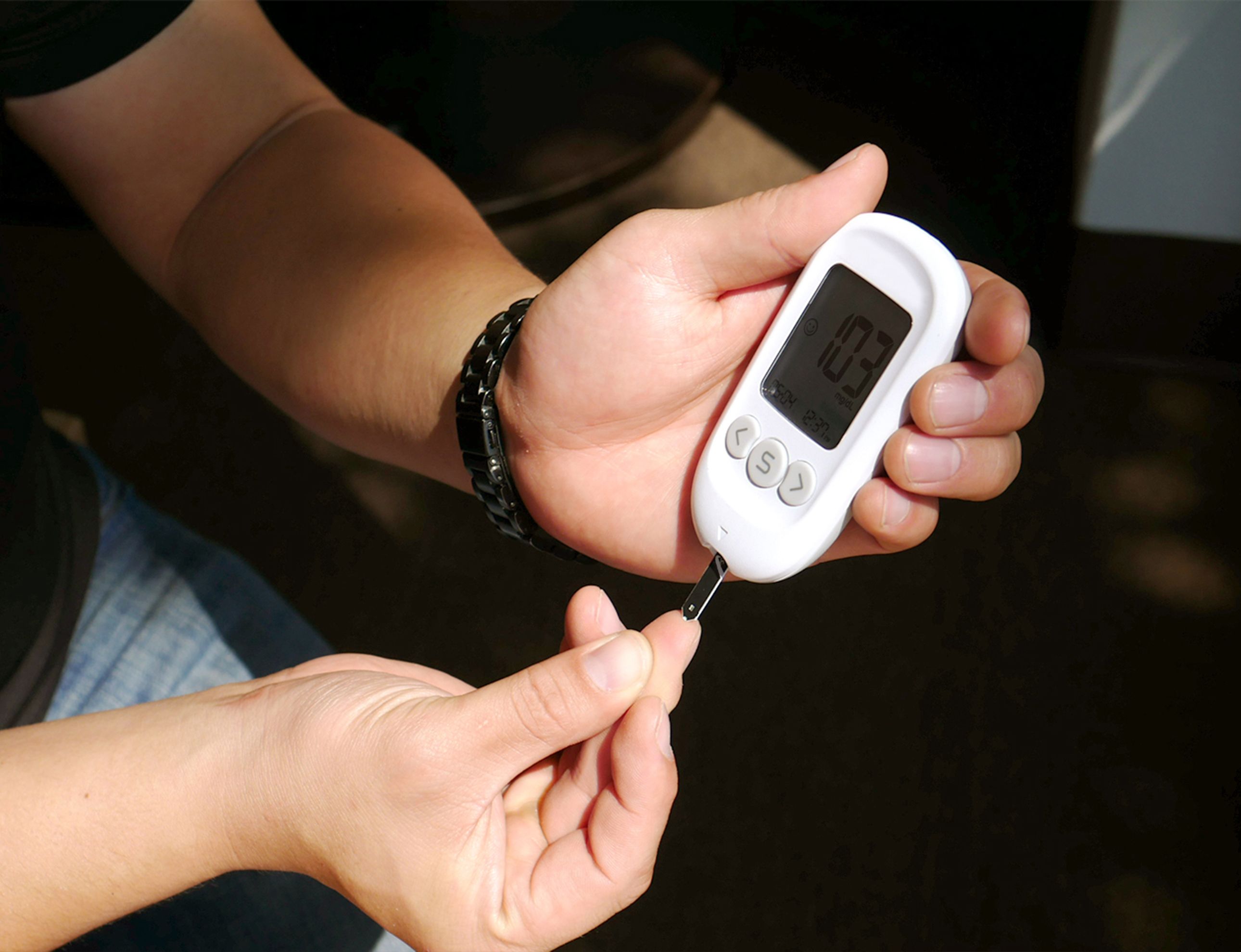
The management plan followed the Philippine Clinical Practice Guidelines for Diabetes (Jimeno et al.,2021), focusing on glycemic control, infection management, and supportive care. In consideration of the patient’s financial limitations, metformin was recommended as the first-line therapy due to its effectiveness and affordability. Additional interventions included lifestyle modification, nutritional counseling, and education on blood glucose monitoring using a glucometer.
The patient was advised to undergo sputum AFB (acid-fast bacilli) smear, GeneXpert, or MTB culture for definitive tuberculosis diagnosis, as well as HbA1c and renal function monitoring for diabetes management. In light of his socioeconomic constraints, the medical team emphasized practical dietary guidance and the importance of medication adherence. Regular follow-up with an endocrinologist was recommended monthly until glycemic stabilization, then quarterly thereafter.
OUTCOME AND FOLLOW-UP
The primary objectives of management for the patient were to achieve optimal glycemic control, improve respiratory function, and prevent further deterioration related to diabetes and hypertension. The treatment plan emphasized lifestyle modification, patient education, and pharmacologic therapy aligned with the Philippine Clinical Practice Guidelines for Diabetes (Jimeno et al., 2021). Metformin was prescribed as the initial antidiabetic medication due to its cost-effectiveness and favorable safety profile, with the option to escalate therapy or consider insulin should glycemic targets remain unmet.
Nutritional counseling and education were provided to encourage dietary modifications tailored to the patient’s economic capacity, with emphasis on regulated carbohydrate intake, avoidance of alcohol, and maintenance of hydration. The patient was advised to regularly monitor his blood glucose at home using a glucometer, maintain a daily log of results, and observe signs of hypoglycemia or hyperglycemia. Monthly consultations with an endocrinologist were recommended until glycemic stabilization, after which follow-up visits would be adjusted to every three months for long-term monitoring and dosage titration.
Laboratory evaluations, including fasting blood sugar (FBS), HbA1c, lipid profile, liver transaminases (AST/ALT), and renal function markers (BUN, creatinine), were scheduled for follow-up visits to assess the effectiveness of therapy and monitor potential medication-related adverse effects. In addition, the patient was referred for sputum AFB smear and GeneXpert testing to confirm pulmonary tuberculosis, given radiographic findings suggestive of bilateral infection.
Despite initial counseling and a willingness to comply with treatment, the patient’s socioeconomic limitations posed persistent challenges to adherence. His unemployment, lack of medical insurance, and limited family support restricted his ability to obtain medications and attend regular checkups. As a result, consistent follow-up proved difficult, and sustained improvement remained uncertain. Nevertheless, the case highlights the importance of tailoring chronic disease management to patients’ financial capacities and underscores the need for community-based support systems to promote continuity of care.
DISCUSSION
Overview of the Case and Its Clinical Relevance
This case underscores the profound effect of socioeconomic disadvantage on the management of chronic diseases such as type 2 diabetes mellitus (T2DM). The patient’s poor glycemic control and progressive health decline were directly influenced by financial hardship, unemployment, and limited access to healthcare. Despite medical awareness of his condition, his inability to maintain regular consultations, laboratory testing, and medication adherence led to complications and worsening quality of life. The case exemplifies how the intersection of poverty and chronic illness presents a significant clinical challenge, particularly in low – and middle-income countries (LMICs) like the Philippines, where persistent healthcare inequities continue to affect disease outcomes.
Comparison with Existing Literature
The findings of this case are consistent with regional and international studies on the burden of diabetes among low-income populations. According to the International Diabetes Federation (IDF, 2021) and the ASEAN Federation of Endocrine Societies, diabetes remains among the top ten causes of mortality worldwide, with LMICs (low-and middle income countries) accounting for most cases (Giron & de la Vega, 2022). In the Philippines, diabetes ranks as the fifth leading cause of death, with prevalence rates expected to rise alongside aging demographics and urban lifestyle shifts (Philippine Statistics Authority, 2021).
Jimeno et al. (2021) reported that the direct medical costs associated with diabetes management are prohibitively high for economically disadvantaged patients, often resulting in delayed diagnosis and inconsistent care. Similarly, Van Wilder et al. (2021) found that patients from lower socioeconomic groups experience greater emotional stress middle-incomes, dependency, and poor self-efficacy, all of which impair adherence to treatment. These findings parallel this case, where the patient’s low income, limited education, and minimal family support hindered disease control despite medical intervention.
Pathophysiologic and Psychosocial Interpretation
From a pathophysiologic perspective, persistent hyperglycemia resulting from poor medication adherence and suboptimal nutrition increases the risk of complications such as neuropathy, retinopathy, and infection. The patient’s blurred vision and suspected pulmonary tuberculosis reflect the systemic impact of uncontrolledT2DM. Chronic hyperglycemia impairs immune function, reduces tissue perfusion, and delays wound healing, thereby predisposing diabetic individuals to infection and multisystem deterioration (Giron & de la Vega, 2022).
Equally important are the psychosocial dimensions of chronic disease management. Patients from economically deprived backgrounds often experience hopelessness, isolation, and a sense of dependency, which further compromise their motivation to adhere to therapy. In the study by Van Wilder et al. (2021), low-income individuals living with chronic diseases described feelings of powerlessness and fear of being burdens to their families. This mirrors the emotional state of the patient in this case, who expressed loneliness and resignation. The coexistence of psychological distress and economic hardship creates a cycle of neglect that worsens disease outcomes.
Implications for Clinical Practice and Public Health
This case provides crucial insights for clinicians and policymakers. For healthcare practitioners, it reinforces the importance of recognizing financial and psychosocial barriers as determinants of treatment adherence. Effective diabetes management must extend beyond pharmacologic therapy to include patient education, counseling, and social support mechanisms. Moreover, culturally sensitive health education programs should emphasize affordable dietary strategies and the importance of medication consistency, particularly in resource-constrained settings.
In the Philippine context, while PhilHealth provides essential health coverage through programs such as the Konsulta Package and Outpatient Benefit Programs, practical limitations in benefit scope, implementation, and accessibility continue to hinder chronic disease management for low-income patients. While these initiatives are intended to advance universal healthcare, they often fail to adequately address the sustained financial demands of diabetes management, particularly for medications, diagnostics, and specialist consultations. Strengthening and ensuring the full implementation of PhilHealth’s coverage for chronic disease management—especially for maintenance medications and routine laboratory monitoring—could substantially reduce out-of-pocket spending and improve health outcomes for vulnerable populations.
At the broader health systems level, the findings highlight the need for equitable healthcare policies and community-based diabetes management programs. The study by Malijan et al. (2024) revealed that external crises, such as the COVID-19 pandemic, further disrupted diabetes care in the Philippines, exposing the fragility of healthcare systems serving low-income populations. Strengthening primary care networks, subsidizing essential medications, and integrating PhilHealth support with local community health programs could mitigate these disparities. Intersectoral collaboration among health, social welfare, and education agencies is crucial for promoting long term disease control and enhancing the quality of life for diabetic patients.
Limitations and Lessons Learned
As a single-patient case study, this report is limited in its generalizability. The absence of long-term follow-up and incomplete laboratory data restricts the scope of clinical conclusions. Nevertheless, the case provides meaningful qualitative insights into the real-world implications of socioeconomic deprivation on chronic disease management. It emphasizes that medical treatment alone is insufficient for diabetes control when patients lack financial stability, social support, and access to continuous care.
The primary lesson derived from this case is that effective chronic disease management requires a multidimensional approach—one that integrates medical, psychological, and economic support. For patients with similar circumstances, early intervention programs combining health education, financial counseling, and routine community-based checkups could significantly improve treatment adherence and clinical outcomes.
Conclusion
This case study illustrates the complex interplay between socioeconomic disadvantage and chronic disease management in a patient with type 2 diabetes mellitus (T2DM). Financial hardship, unemployment, and lack of social support significantly contributed to the patient’s poor glycemic control, reduced treatment adherence, and overall deterioration of health. Beyond its clinical implications,this case reveals the broader social determinants that continue to shape health outcomes in low- and middle income settings such as the Philippines.
Although public health insurance programs such as PhilHealth aim to reduce the financial burden of medical care, gaps in coverage, implementation, and accessibility remain significant barriers for patients with chronic conditions that require sustained management. Strengthening primary healthcare systems, improving PhilHealth’s chronic disease benefit coverage, and expanding community-based support networks are critical to improving continuity of care and promoting equity in health outcomes.
Ultimately, this case underscores the need for a multidimensional approach to diabetes management—one that integrates clinical care with socioeconomic assessment, patient education, and long-term policy reform. Addressing these systemic challenges is essential to achieving effective, equitable, and sustainable chronic disease management for all.
Patient Consent and Ethical Consideration
Written informed consent was obtained from the patient, referred to in this report under the pseudonym CLG, prior to data collection and publication. The patient was informed of the purpose of the case study, the voluntary nature of participation, and the confidentiality measures applied to protect personal identity. All identifying details have been omitted or anonymized to maintain privacy.
The study adhered to ethical standards for qualitative medical case studies and complied with institutional guidelines on patient confidentiality, and the study followed the principles outlined in the Declaration of Helsinki (2013 revision) regarding research involving human participants.
REFERENCES
Giron, M. S., & de la Vega, S. A. (2022). Prevalence of diabetes among community-living older persons in the Philippines: The FITforFrailstudy. Journal of the ASEAN Federation of Endocrine Societies,37(2), 23–27. https://doi.org/10.15605/jafes.037.02.15
Jimeno, C., Sy, R. A., De La Peña, P., Cipriano, C., Tan, R., Panelo, A., & Ng,J. Y. S. (2021). Direct medical costs of type 2 diabetes mellitus in the Philippines: Findings from two hospital databases and physician surveys. BMJ Open, 11(10), e049737. https://doi.org/10.1136/bmjopen-2021-049737
Malijan, G. M. B., Besa, J. J. V., Mendoza, J., Uy, E. J. B., Yan, L. L.,Østbye, T., & Palileo-Villanueva, L. (2024). Assessing COVID-19 pandemic’s impact on essential diabetes care in Manila, the Philippines: A mixed methods study. PLOS Global Public Health,4(1), e0002333. https://doi.org/10.1371/journal.pgph.0002333
Van Wilder, L., Pype, P., Mertens, F., Rammant, E., Clays, E., Devleesschauwer,B., & De Smedt, D. (2021). Living with a chronic disease: Insights from patients with a low socioeconomic status. BMC Family Practice, 22(1), 1–9. https://doi.org/10.1186/s12875-021-01578-7


