
herbs
-
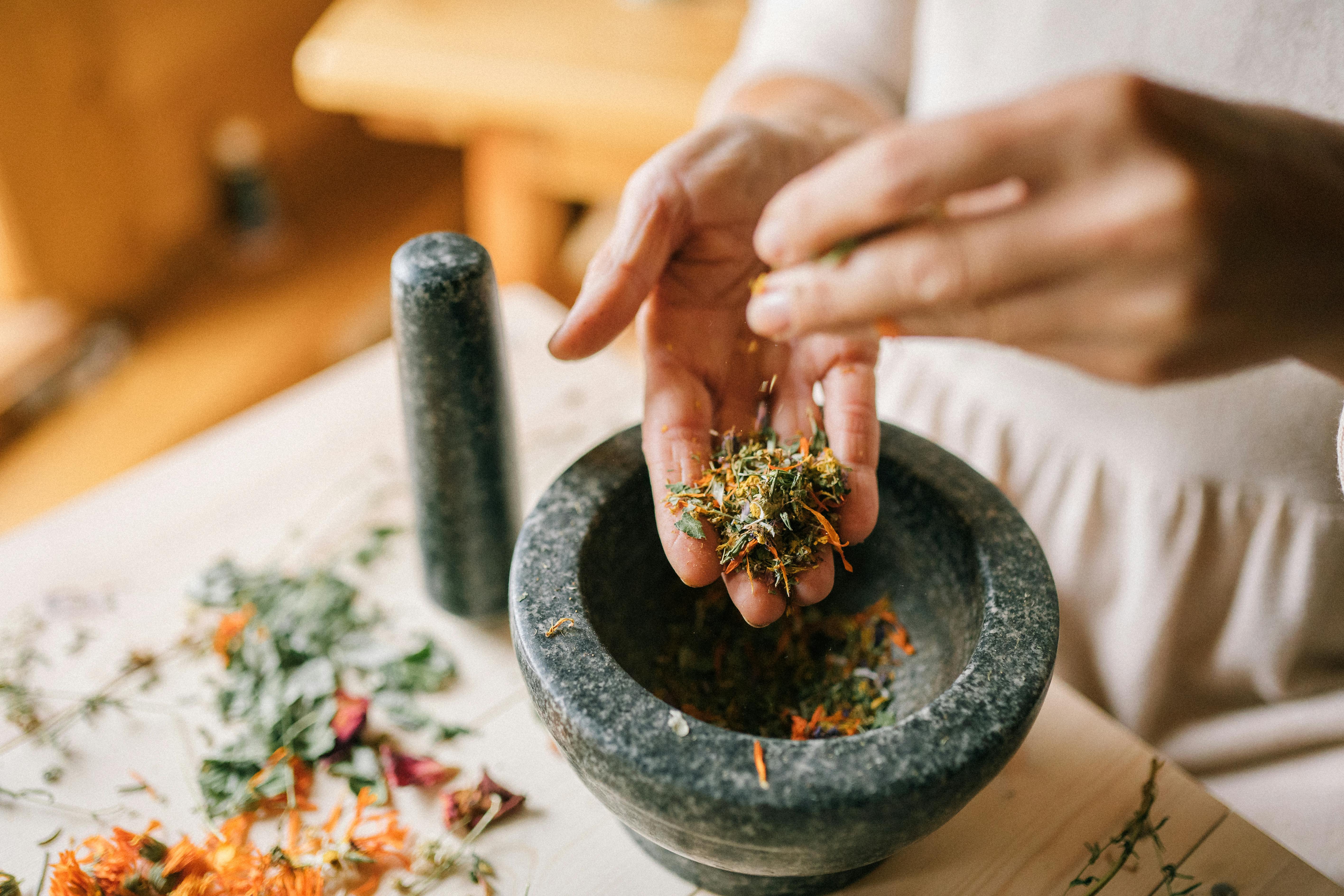
Ethnobotanical Study of Medicinal Plants Used by Manobo Tribe in Surigao del Sur, Philippines
The study documents 19 medicinal plants used by the Manobo Tribe in Surigao del Sur, Philippines. The research reveals the plant parts used, preparation methods, and administration modes. Most plants treat hyperacidity, with leaves being the primary plant part used. Decoction is the most common preparation method. No adverse effects were reported. The study highlights the tribe’s reliance on traditional medicine and the ethnobotanical richness of the area. This emphasizes… Click to Read the Full Article
-
Ethnobotanical Study of Medicinal Plants Used by Manobo Tribe in Surigao del Sur, Philippines
The study documents 19 medicinal plants used by the Manobo Tribe in Surigao del Sur, Philippines. The research reveals the plant parts used, preparation methods, and administration modes. Most plants treat hyperacidity, with leaves being the primary plant part used. Decoction is the most common preparation method. No adverse effects were reported. The study highlights the tribe’s reliance on traditional medicine and the ethnobotanical richness of the area. This emphasizes… Click to Read the Full Article
-
Preliminary Assessment of the Phytochemical Components and Antibacterial Activity of Cinnamomum mindanaense Bark Extract Against Staphyloccocus aureus
A pilot study was conducted to identify bioactive phytochemical constituents and evaluate the antibacterial activity of Cinnamomum mindanaense bark. The bark was found to be rich in flavonoids, alkaloids, and triterpenes, showing moderate antibacterial activity. The antibacterial activity of Chloramphenicol was significantly higher than that of the bark extract concentrations. Further research is recommended to validate these findings. This study highlights the potential therapeutic value of the C. mindanaense bark… Click to Read the Full Article